GB/T 34399-2025 PDF English
Price & Delivery
US$275.00 · In stock · Download in 9 secondsGB/T 34399-2025: Temperature control facilities validation for pharmaceutical products cold chain logistics - Technical specification for performance qualification
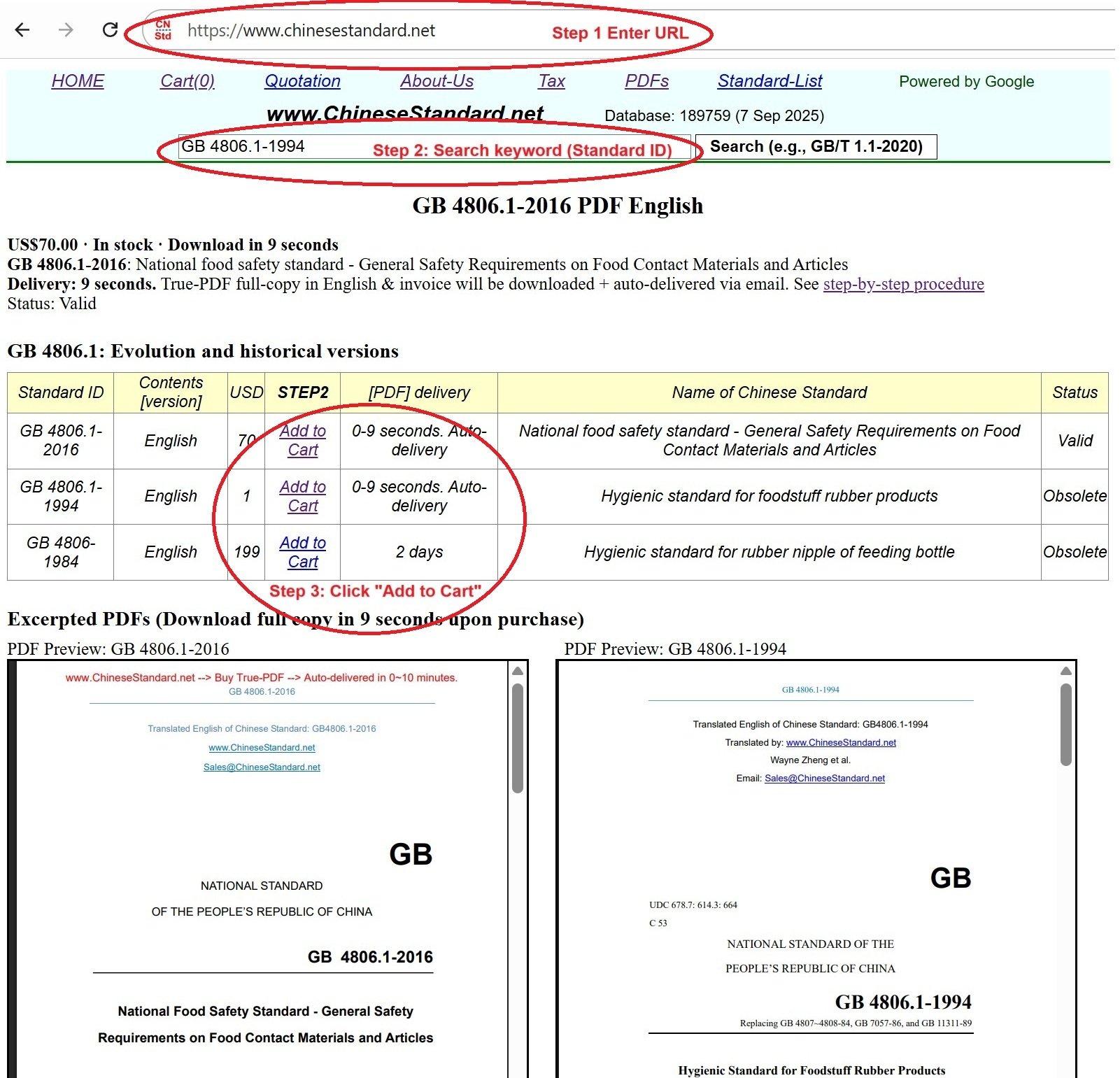
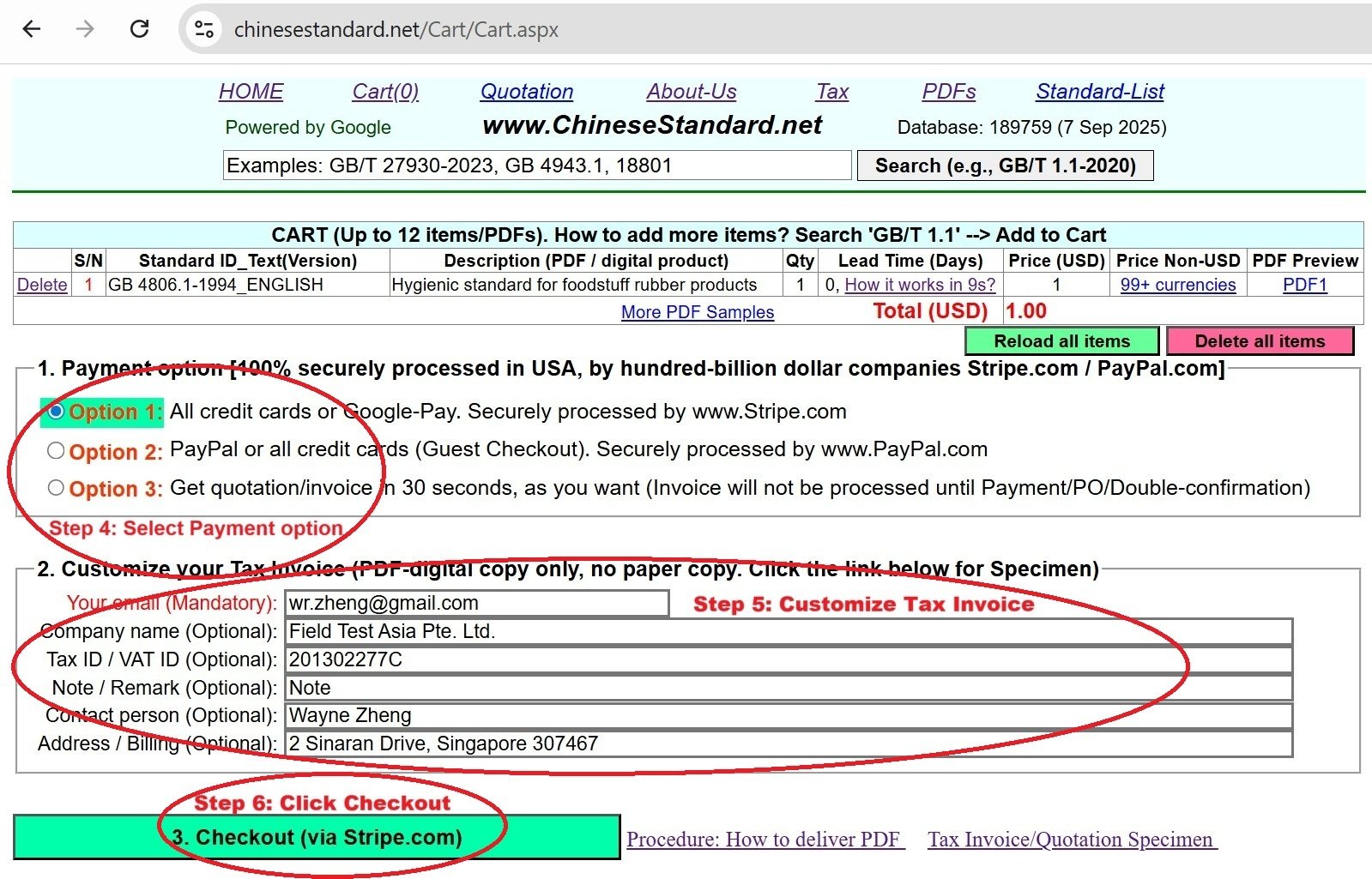
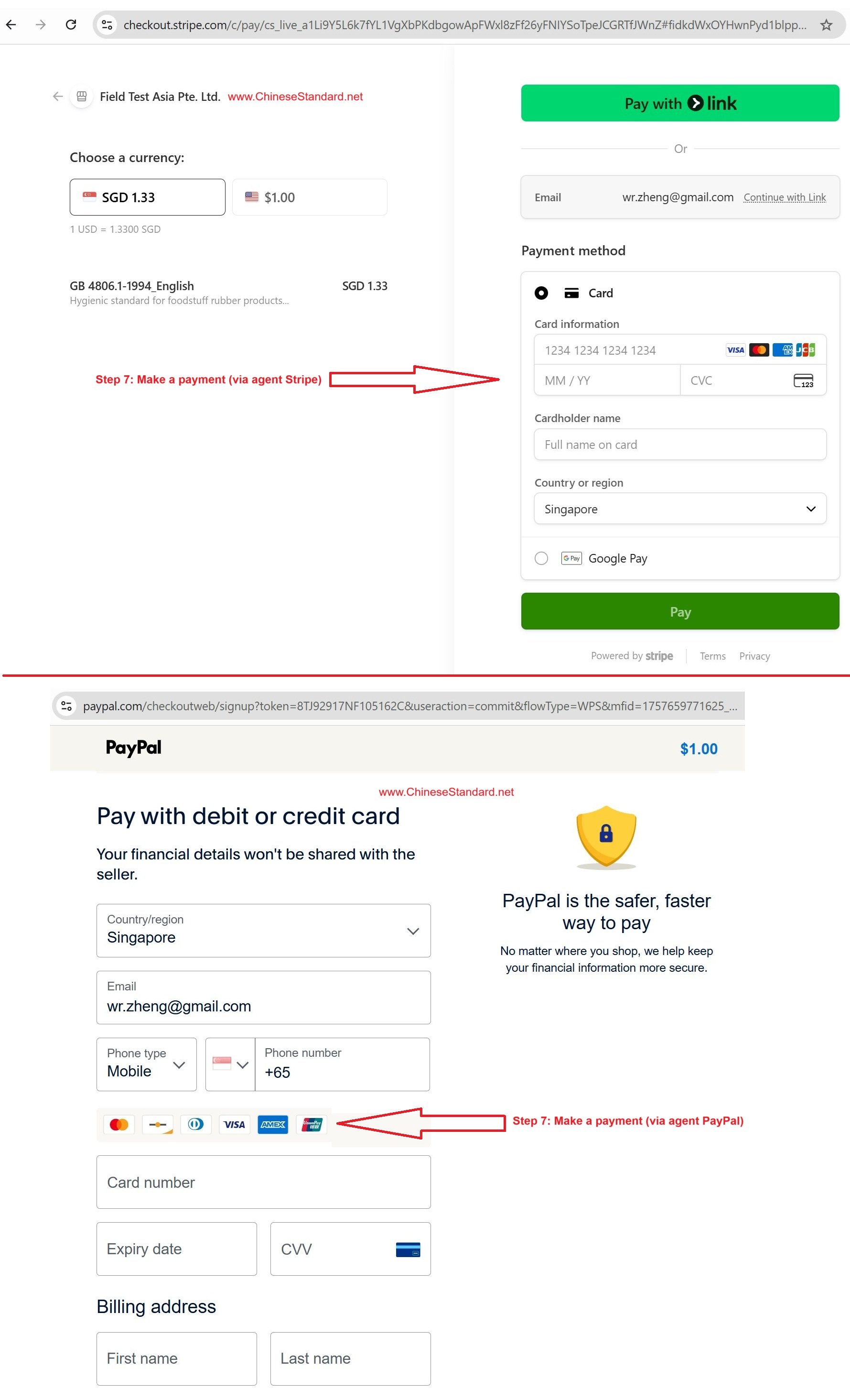
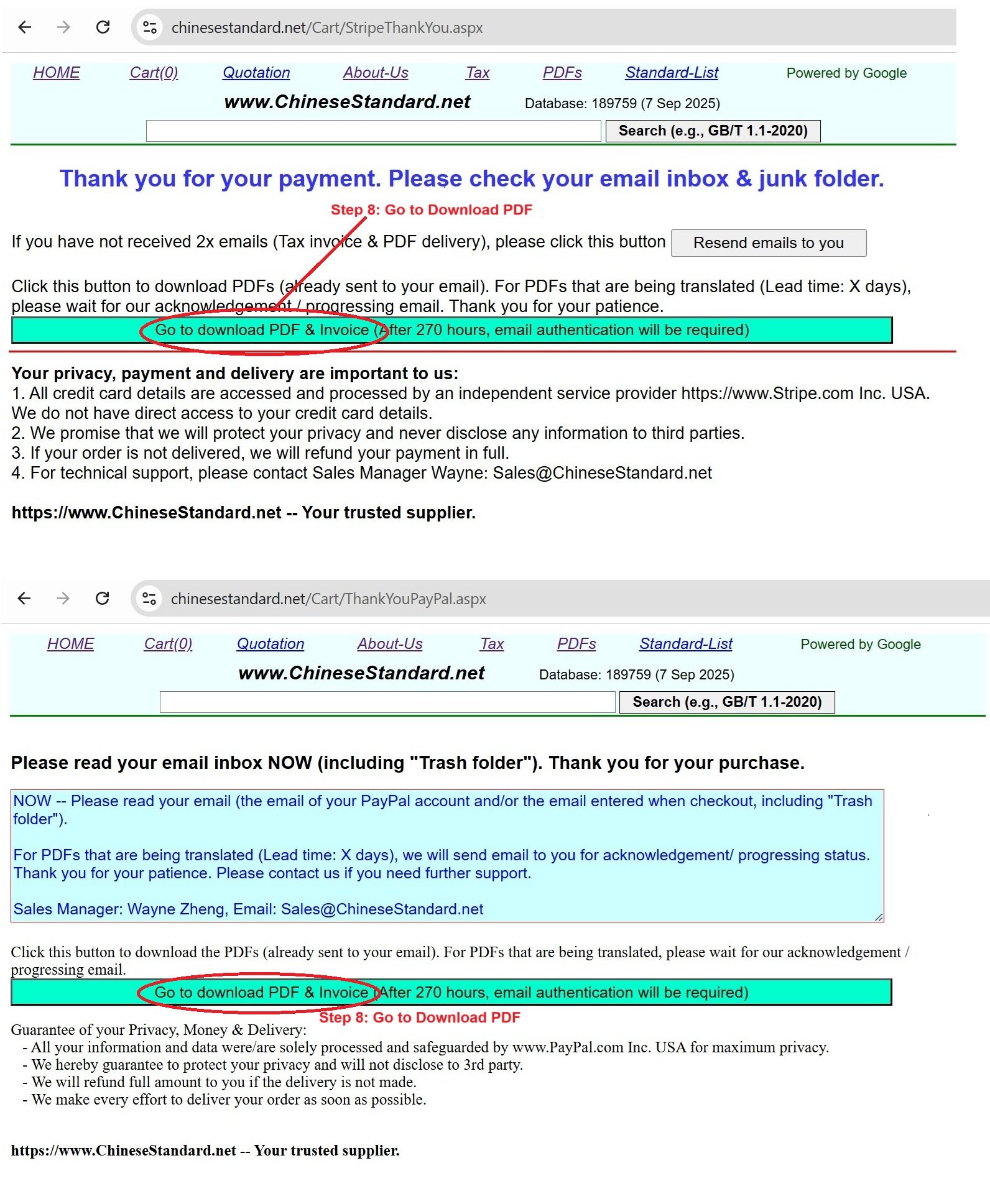
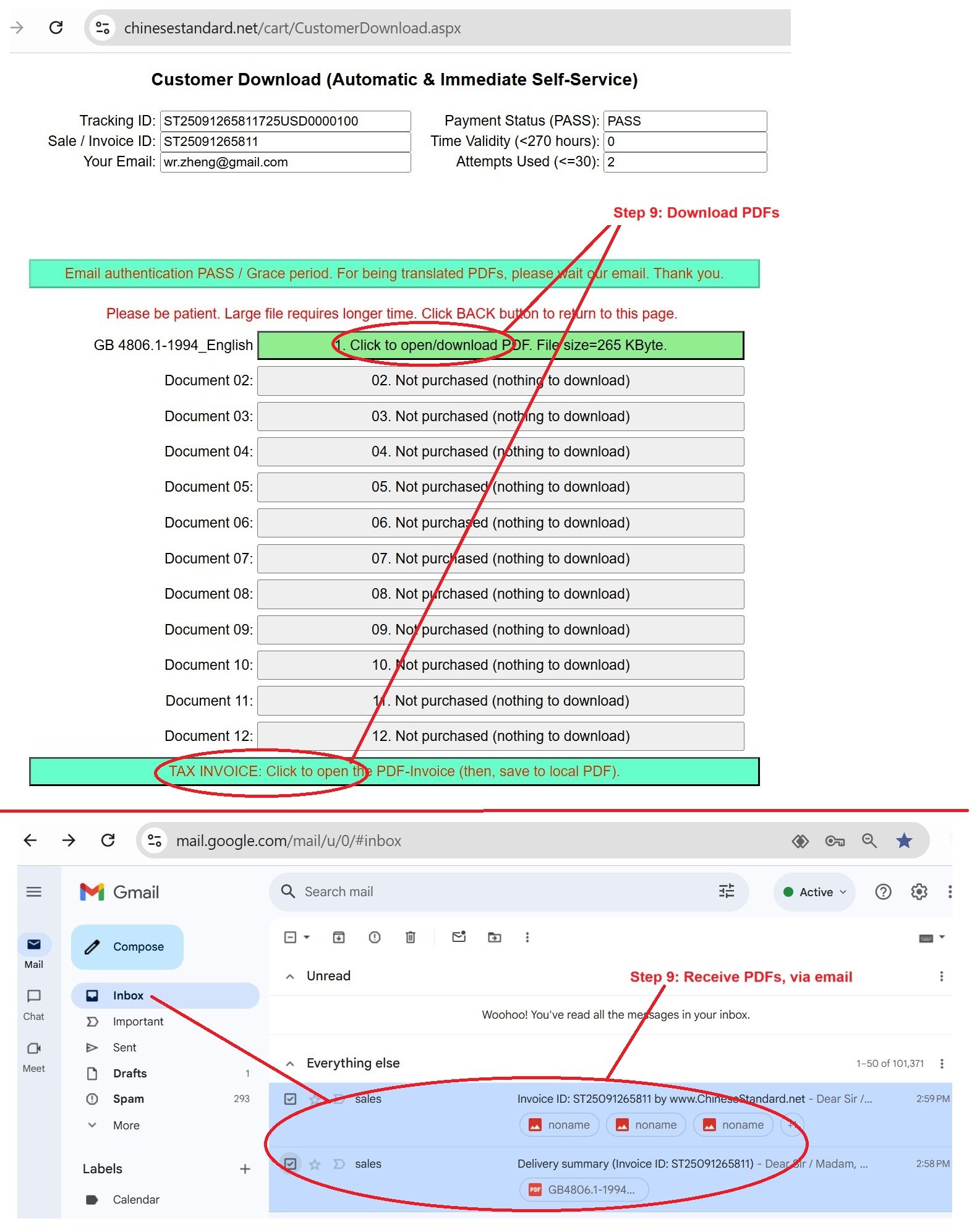
Delivery: 9 seconds. True-PDF full-copy in English & invoice will be downloaded + auto-delivered via email. See step-by-step procedure
Status: Valid
GB/T 34399: Historical versions
| Standard ID | USD | BUY PDF | Delivery | Standard Title (Description) | Status |
| GB/T 34399-2025 | 275 | Add to Cart | Auto, 9 seconds. | Temperature control facilities validation for pharmaceutical products cold chain logistics - Technical specification for performance qualification | Valid |
| GB/T 34399-2017 | 199 | Add to Cart | 3 days | Temperature control facilities of pharmaceutical products cold chain logistics -- Specification for performance qualification | Valid |
Click to Preview this PDF
Similar standards
GB/T 37503
GB/T 34399-2025: Temperature control facilities validation for pharmaceutical products cold chain logistics - Technical specification for performance qualification
---This is an excerpt. Full copy of true-PDF in English version (including equations, symbols, images, flow-chart, tables, and figures etc.), auto-downloaded/delivered in 9 seconds, can be purchased online: https://www.ChineseStandard.net/PDF.aspx/GBT34399-2025
GB NATIONAL STANDARD OF THE PEOPLE’S REPUBLIC OF CHINA ICS 55.180.99 CCS A 80 Replacing GB/T 34399-2017 Temperature Control Facilities Validation for Pharmaceutical Products Cold Chain Logistics - Technical Specification for Performance Qualification Issued on: AUGUST 1, 2025 Implemented on: AUGUST 1, 2025 Issued by. State Administration for Market Regulation; Standardization Administration of the People’s Republic of China.
Table of Contents
Foreword... 3 1 Scope... 7 2 Normative References... 7 3 Terms and Definitions... 7 4 Assurance Requirements... 8 5 Performance Qualification of Temperature-controlled Warehouses... 8 6 Performance Qualification of Temperature-controlled Cabinet... 12 7 Performance Qualification of Temperature-controlled Vehicles... 14 8 Performance Qualification of Refrigerators... 17 9 Performance Qualification of Insulated Containers... 19 10 Performance Qualification of Temperature Monitoring System... 21 11 Validation Methods... 24 Appendix A (informative) Calculation Methods for Temperature Deviation, Uniformity and Fluctuation... 25 Bibliography... 27 Temperature Control Facilities Validation for Pharmaceutical Products Cold Chain Logistics - Technical Specification for Performance Qualification1 Scope
This document specifies the assurance requirements for the performance qualification of temperature control facilities and equipment in the cold chain logistics of pharmaceutical products, the requirements for the performance qualification of temperature-controlled warehouses1), temperature-controlled cabinets, temperature-controlled vehicles, refrigerators, insulated containers, and temperature monitoring systems, as well as the validation methods. This document applies to performance qualification activities involving temperature-controlled warehouses, temperature-controlled cabinets, temperature-controlled vehicles, refrigerators, insulated containers, and temperature monitoring systems during the validation process of temperature control facilities and equipment in the cold chain logistics of pharmaceutical products.2 Normative References
This document does not have normative references.3 Terms and Definitions
The following terms and definitions are applicable to this document. 3.1 Performance Qualification The activities of testing, verification and documentation undertaken to confirm that installed and connected facilities, systems and equipment can effectively and stably operate in accordance with the approved production methods and product technical requirements. 3.2 temperature-controlled cabinet A small storage container with the function of temperature control. NOTE. temperature-controlled cabinet includes refrigerated cabinet and freezer cabinet, etc. 1) Temperature-controlled warehouses include refrigerated storage, freezer storage, constant-temperature storage and cool storage, etc. 3.3 refrigerator An insulated enclosure with the function of temperature control. 3.4 insulated container An insulated enclosure made of insulating materials. 3.5 temperature monitoring system A system consisting of measurement point terminals, a management host, an uninterruptible power supply, and related software, capable of real-time acquisition, display, collection, processing, recording, alarming and transmission of temperature data of pharmaceutical products during storage and transportation.4 Assurance Requirements
4.1 Personnel Requirements Personnel participating in performance qualification activities shall have received appropriate training and be familiar with relevant laws, regulations and professional skills. NOTE. personnel participating in performance qualification activities include, but are not limited to, supervisors, instructors, coordinators, approvers, and implementers. 4.2 Equipment Requirements for Validation 4.2.1 The temperature recorder used for validation or the validation management system shall have data storage, export, and viewing functions, and shall be able to prevent users from modifying or reverse-importing data. 4.2.2 The temperature recorder used for validation shall have the function of continuous data acquisition and recording, and the data acquisition interval shall not exceed 1 minute. 4.2.3 The measurement range of the temperature recorder used for validation shall be applicable to the temperature range of performance qualification, and its maximum permissible error of temperature measurement is 0.5 C. 4.2.4 The temperature recorder used for validation shall be periodically calibrated by a statutory metrology institution and affixed with a calibration qualification label.5 Performance Qualification of Temperature-controlled
Warehouses 5.1 Performance Qualification Content 5.1.1 Testing of operating parameters and usage status of temperature control facilities and equipment. 5.1.2 Confirmation of the installation locations of the temperature monitoring system’s allocated measurement point terminals. 5.1.3 Confirmation of the impact of door opening operations on the temperature distribution of the temperature-controlled warehouses. 5.1.4 Determination of the thermal insulation properties and variation trends of the temperature- controlled warehouses under conditions of equipment fault or external power outage. 5.1.5 Confirmation of the temperature deviation, uniformity and fluctuation of the storage space. 5.1.6 Confirmation of temperature stability under extreme external environmental conditions, such as high or low temperatures in the local area. 5.2 Performance Qualification Requirements 5.2.1 It shall be demonstrated that, under given operating conditions, the temperature distribution test results for the temperature-controlled warehouses, both under no-load and full- load, are within the specified temperature control range. 5.2.2 Cold and hot points shall be identified, and measurement point terminals of the temperature monitoring system shall be installed at the locations of the cold and hot points. When the measurement point terminals of the temperature monitoring system are not mobile, it shall be demonstrated that the difference between the temperature data collected by the measurement point terminal of the temperature monitoring system closest to the cold or hot point in the freezer storage and the average value of temperature data of the corresponding cold or hot point is within 2 C. The difference among the average values of other temperature- controlled warehouses shall be within 1 C and representative. 5.2.3 It shall be demonstrated that the shortest door opening time that would cause any measurement point to overheat is greater than the specified value. 5.2.4 It shall be demonstrated that the insulation time limit under equipment fault or external power outage conditions is greater than the specified value. 5.2.5 The temperature deviation, uniformity and fluctuation of the refrigerated storage shall not exceed 3 C. The calculation method is given in Appendix A. 5.2.6 During the periodic validation cycle, when the external ambient temperature of the temperature-controlled warehouses is maintained above 0 C, the validation shall be conducted at least once under extreme high-temperature environmental conditions. 5.2.7 When the refrigerated storage and freezer storage experience the following situations, no- load and full-load performance qualification shall be performed.6 Performance Qualification of Temperature-controlled
Cabinet 6.1 Performance Qualification Content 6.1.1 Testing of operating parameters and usage status of temperature control equipment. 6.1.2 Confirmation of the installation locations of the temperature monitoring system’s allocated measurement point terminals. 6.1.3 Confirmation of the impact of door opening operations on the temperature distribution of the storage space. 6.1.4 Determination of the thermal insulation properties and variation trends of the storage space under conditions of equipment fault or external power outage. 6.1.5 Confirmation of the temperature deviation, uniformity, and fluctuation of the storage space. 6.1.6 Confirmation of temperature stability under extreme external environmental conditions, such as high or low temperatures in the local area. 6.2 Performance Qualification Requirements 6.2.1 It shall be demonstrated that, under given operating conditions, the temperature distribution test results for the temperature-controlled cabinets, both under no-load and full- load, are within the specified temperature control range. 6.2.2 Cold and hot points shall be identified, and measurement point terminals of the temperature monitoring system shall be installed at the locations of the cold and hot points. When the measurement point terminals of the temperature monitoring system are not mobile, it shall be demonstrated that the difference between the temperature data collected by the measurement point terminal of the temperature monitoring system closest to the cold or hot point in the freezer cabinet and the average value of temperature data of the corresponding cold or hot point is within 2 C. The difference among the average values of other temperature- controlled cabinets shall be within 1 C and representative. 6.2.3 It shall be demonstrated that the shortest door opening time that would cause any measurement point to overheat is greater than the specified value. 6.2.4 It shall be demonstrated that the insulation time limit under equipment fault or external power outage conditions is greater than the specified value. 6.2.5 The temperature deviation, uniformity and fluctuation of the refrigerated storage shall not exceed 3 C. The calculation method is given in Appendix A. 6.2.6 During the periodic validation cycle, when the external ambient temperature of the temperature-controlled cabinets is maintained above 0 C, the validation shall be conducted at least once under extreme high-temperature environmental conditions. 6.2.7 When the temperature-controlled cabinets experience the following situations, no-load and full-load performance qualification shall be performed. d) Before initial use; e) Before re-use after modification; f) Before re-starting after being shut down for more than the determined maximum time limit. 6.3 Operational Points 6.3.1 The requirements for the distribution point layout for temperature distribution test are as follows. a) The points shall be synchronously distributed within the storage space; b) Each independent storage space shall have at least 9 uniformly distributed points, with measurement points placed at each corner and center of the space, and arranged in layers based on the structure of the storage space; c) All measurement points shall be located on the storage area or where pharmaceutical products may be stored. 6.3.2 A schematic diagram of the measurement point distribution shall be drawn, indicating the serial number of each measurement point and the corresponding number of the temperature recorders used for validation. 6.3.3 The distance between the measurement point terminals of the temperature monitoring system and the temperature recorder used for validation shall not exceed 0.1 m. 6.3.4 The door opening test method shall be consistent with the requirements for the operating procedures of temperature-controlled warehouses. The determination of the over-temperature time limit shall be based on the readings of the temperature recorder used for validation and the over-temperature alarm prompts of the temperature monitoring system, with the data indicating the earlier over-temperature reading taking precedence. 6.3.5 For equipment fault or power outage insulation tests, the time it takes for the temperature at the fastest changing measurement point to approach the warning limit after equipment shutdown shall be monitored. The over-temperature time limit shall be used as the performance qualification result. If, during a power outage insulation test, the measurement point temperature does not reach the warning limit within 2 hours, the test can be terminated, and this shall be used as the performance qualification result. 6.3.6 During periodic validation, a full-load test shall be conducted. During the full-load test, the storage capacity of the temperature-controlled cabinets shall be higher than 70%, and the loading conditions of the simulants used shall closely approximate the storage conditions of pharmaceutical products of in-use cabinets. 6.3.7 After the temperature control parameters of the temperature control system of the temperature-controlled cabinets meet the set requirements and the temperature stabilizes, the effective continuous data acquisition time shall not be less than 24 hours. 6.3.8 The interval time between performance qualification data acquisitions shall not exceed 2 minutes.7 Performance Qualification of Temperature-controlled
Vehicles 7.1 Performance Qualification Content 7.1.1 Testing of operating parameters and usage status of temperature control equipment. 7.1.2 Confirmation of the installation locations of the temperature monitoring system’s allocated measurement point terminals. 7.1.3 Confirmation of the impact of door opening operations on the temperature distribution inside the compartment. 7.1.4 Determination of the thermal insulation properties and variation trends of the compartment under conditions of equipment fault or external power outage. 7.1.5 Confirmation of the temperature deviation, uniformity and fluctuation of the storage space of the compartment. 7.1.6 Confirmation of the operation of temperature-controlled vehicles under extreme external environmental conditions, such as high or low temperatures. 7.1.7 Confirmation of the shortest time required for temperature-controlled vehicles to pre-cool (heat) to a specified temperature range and maintain stability. 7.2 Performance Qualification Requirements 7.2.1 It shall be demonstrated that, under given operating conditions, the temperature distribution test results for the temperature-controlled vehicles, both under no-load and full- load, are within the specified temperature control range. 7.2.2 Cold and hot points shall be identified, and measurement point terminals of the temperature monitoring system shall be installed at the locations of the cold and hot points. When the measurement point terminals of the temperature monitoring system are not mobile, ......Source: Above contents are excerpted from the full-copy PDF -- translated/reviewed by: www.ChineseStandard.net / Wayne Zheng et al.