GB 1886.370-2023 PDF English
| Standard ID | USD | BUY PDF | Delivery | Standard Title (Description) | Status |
| GB 1886.370-2023 | 110 | Add to Cart | Auto, 9 seconds. | National food safety standard - Food additive - Starch sodium octenylsuccinate | Valid |
Similar standards
GB 1886.370-2023: National food safety standard - Food additive - Starch sodium octenylsuccinate
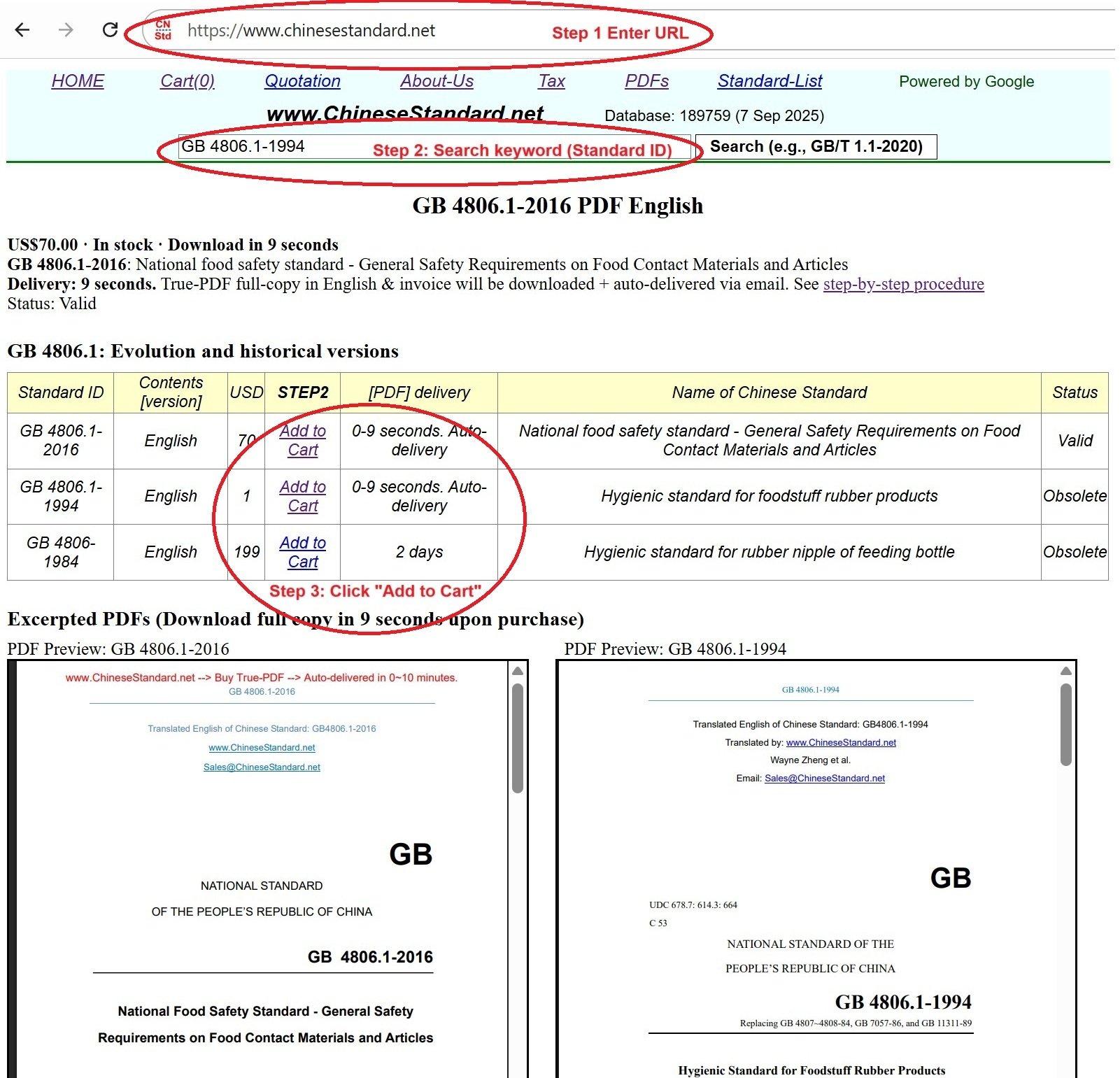
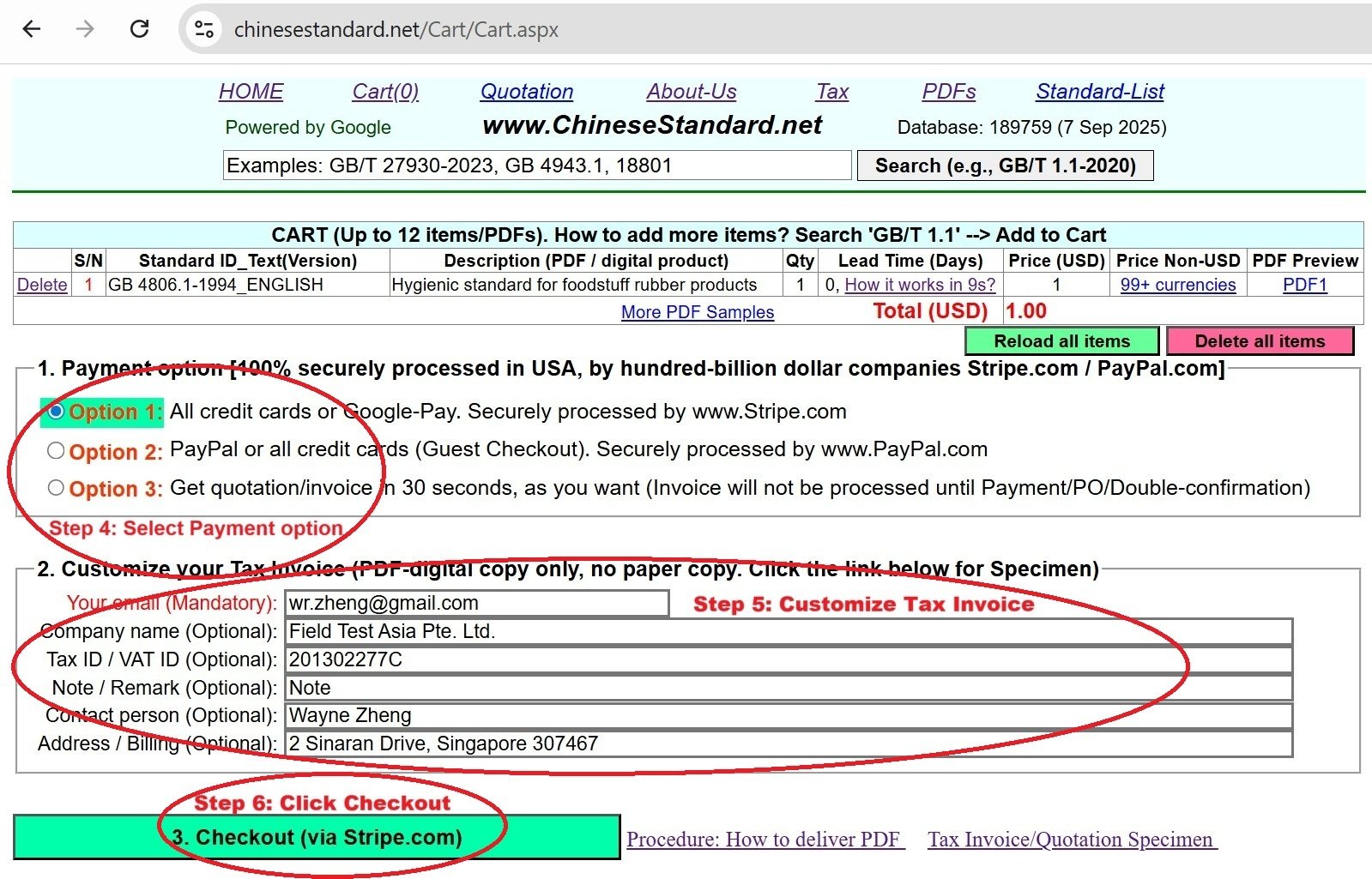
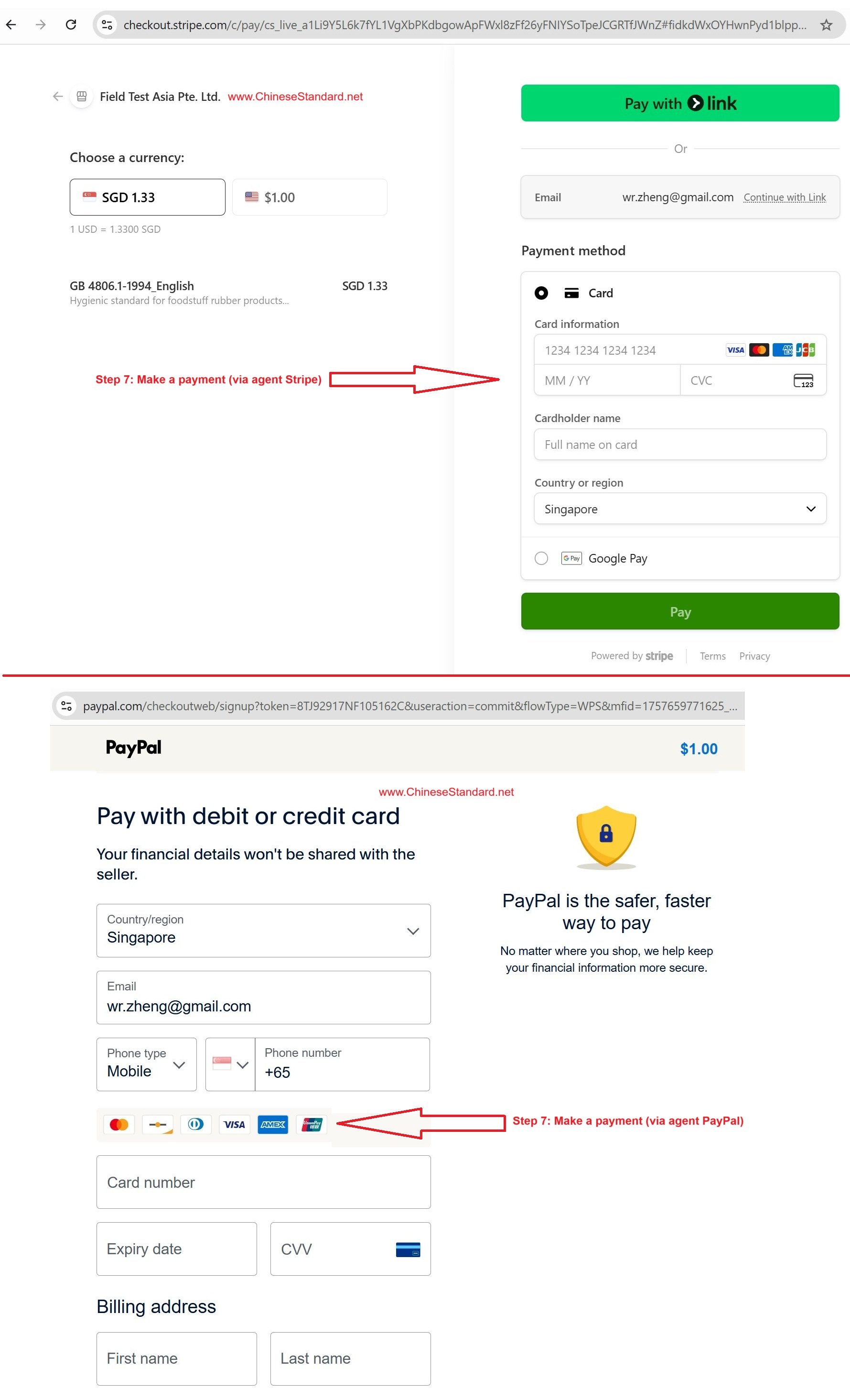
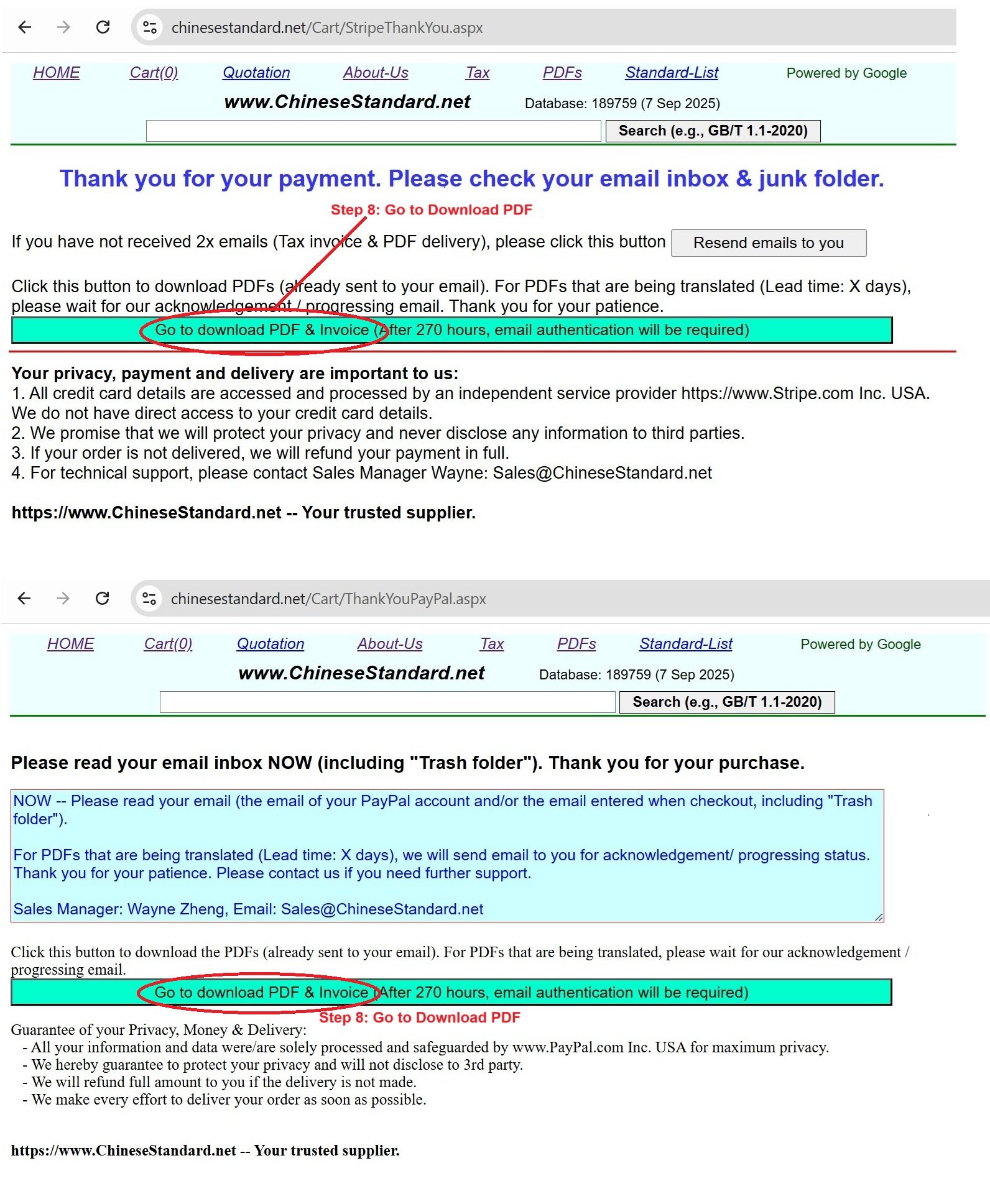
---This is an excerpt. Full copy of true-PDF in English version (including equations, symbols, images, flow-chart, tables, and figures etc.), auto-downloaded/delivered in 9 seconds, can be purchased online: https://www.ChineseStandard.net/PDF.aspx/GB1886.370-2023GB NATIONAL STANDARD OF THE PEOPLE’S REPUBLIC OF CHINA National Food Safety Standard -- Food Additive -- Sodium Starch Octenyl Succinate ISSUED ON: SEPTEMBER 06, 2023 IMPLEMENTED ON: MARCH 06, 2024 Issued by: National Health Commission of the People's Republic of China; State Administration for Market Regulation.
Table of Contents
Foreword ... 3 1 Scope ... 4 2 Technical requirements ... 4 Annex A Inspection methods ... 5 National Food Safety Standard -- Food Additive -- Sodium Starch Octenyl Succinate1 Scope
This Standard applies to the food additive sodium starch octenyl succinate produced by esterification of starch and octenyl succinic anhydride, as well as a combination of enzyme treatment, dextrinization, acid treatment, bleaching treatment, and pregelatinization.2 Technical requirements
2.1 Sensory requirements Sensory requirements should comply with Table 1. 2.2 Physical and chemical indicators The physical and chemical indicators should comply with the provisions of Table 2.Annex A
Inspection methods A.1 General Unless other requirements are specified, the reagents and water used in this Standard refer to analytically pure reagents and grade three water specified in GB/T 6682. The standard solutions, standard solutions for impurity determination, preparations and products used in the test shall be prepared in accordance with the provisions of GB/T 601, GB/T 602 and GB/T 603, unless other requirements are specified. The solutions used in the test refer to aqueous solutions unless the solvent used to prepare them is specified. A.2 Identification tests A.2.1 Iodine staining test Weigh 1 g of the specimen and add it to 20 mL of water to form a suspension. Add a few drops of iodine solution. The color is dark blue to brownish red. A.2.2 Copper reduction test A.2.2.1 Reagents and materials Hydrochloric acid solution: 7+93. A.2.2.2 Analysis steps Weigh 2.5 g of the specimen and place it in a long-neck flask. Add 10 mL of hydrochloric acid solution and 70 mL of water. Well mix them. Reflux for 3 h. Cool them down. Take 0.5 mL of cooled solution. Add 5 mL of hot alkaline copper tartrate TS. A large amount of red precipitate is produced. To prepare alkaline copper tartrate test solution, follow the steps below. a) Solution A: Weigh 34.66 g of copper sulfate crystals (CuSO4 · 5H2O). The crystals should show no signs of weathering or moisture absorption. Add water to dissolve and adjust the volume to 500 mL. Keep this solution in a small airtight container. b) Solution B: Weigh 173 g of potassium sodium tartrate crystals (KNaC4H4O6 · 4H2O) and 50 g of sodium hydroxide (NaOH). Add water to dissolve and adjust the volume to 500 mL. Store this solution in a small, alkali- resistant container. c) Mix solution A and solution B in equal volumes to obtain alkaline copper tartrate ......Source: Above contents are excerpted from the full-copy PDF -- translated/reviewed by: www.ChineseStandard.net / Wayne Zheng et al.