GB/T 5312-2025 PDF English
Price & Delivery
US$440.00 · In stock · Download in 9 secondsGB/T 5312-2025: Seamless steel tubes and pipes for ship
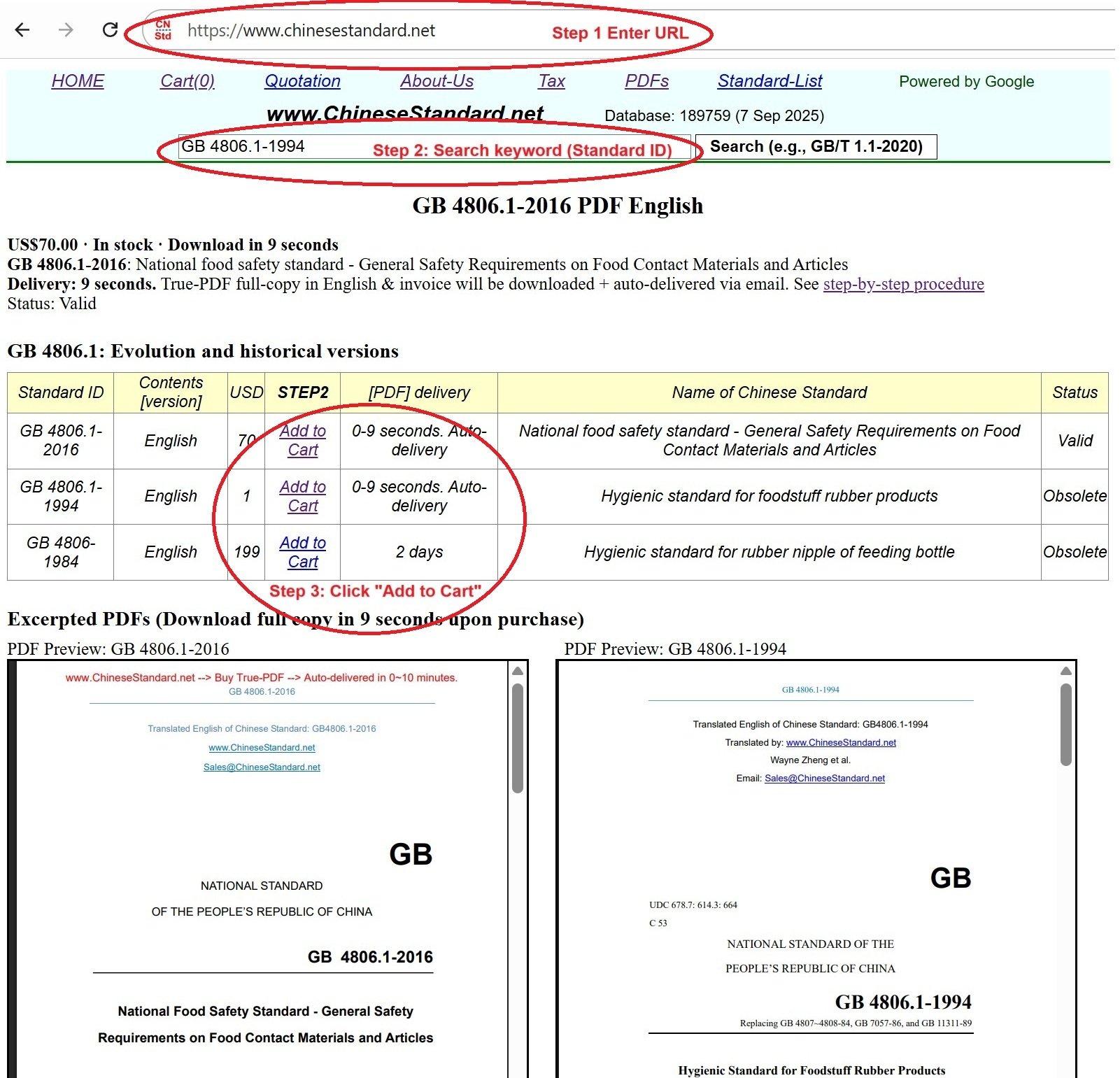
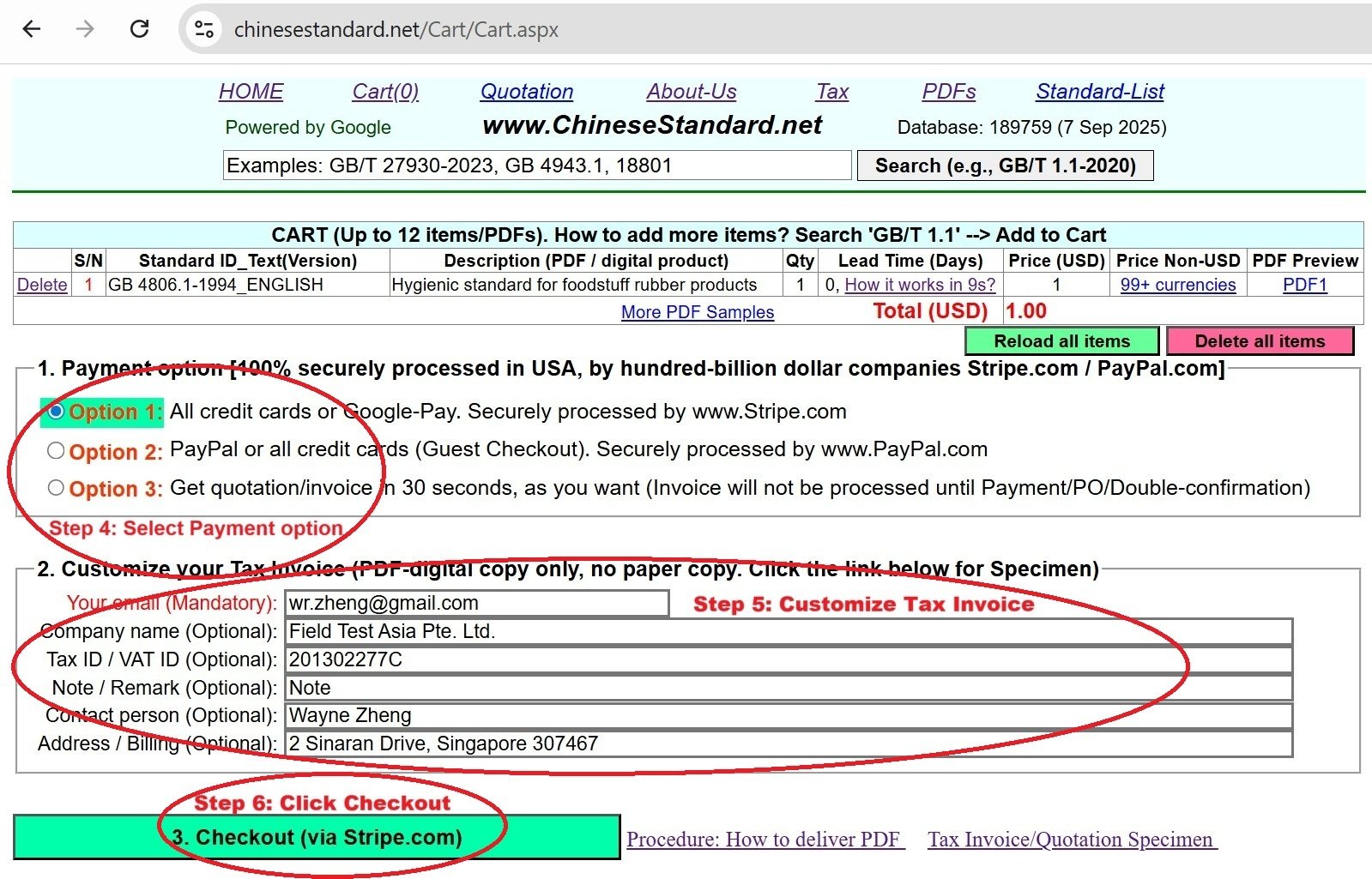
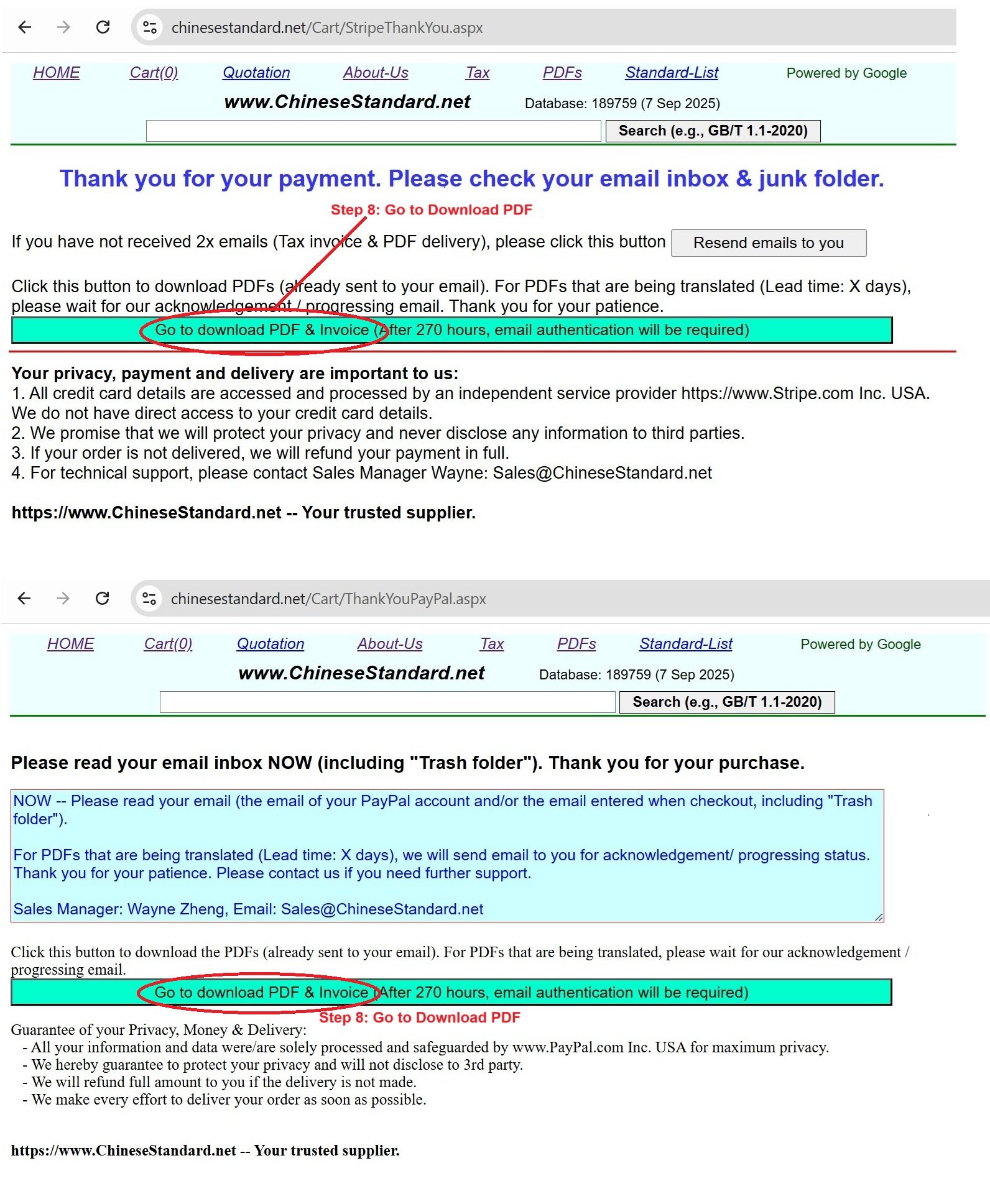
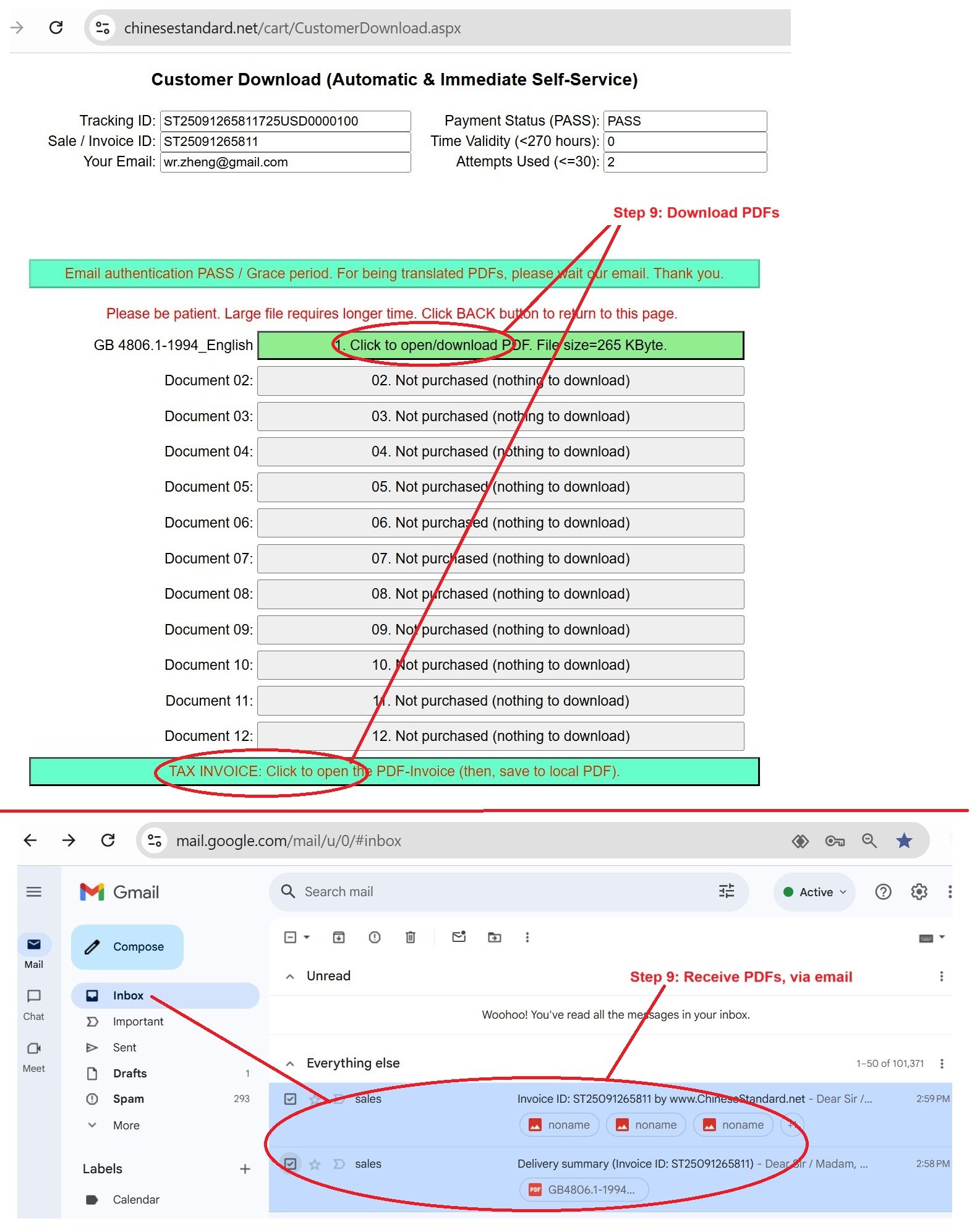
Delivery: 9 seconds. True-PDF full-copy in English & invoice will be downloaded + auto-delivered via email. See step-by-step procedure
Status: Valid
GB/T 5312: Historical versions
| Standard ID | USD | BUY PDF | Delivery | Standard Title (Description) | Status |
| GB/T 5312-2025 | 440 | Add to Cart | Auto, 9 seconds. | Seamless steel tubes and pipes for ship | Valid |
| GB/T 5312-2009 | 85 | Add to Cart | Auto, 9 seconds. | Carbon and carbon-manganese steel seamless steel tubes and pipes for ship | Valid |
| GB/T 5312-1999 | 519 | Add to Cart | 4 days | Carbon and carbon--Manganese steel seamless steel tubes and pipes for ship | Obsolete |
| GB/T 5312-1985 | RFQ | ASK | 3 days | Carbon steel seamless steel tubes for ship | Obsolete |
Click to Preview this PDF
GB/T 5312-2025: Seamless steel tubes and pipes for ship
---This is an excerpt. Full copy of true-PDF in English version (including equations, symbols, images, flow-chart, tables, and figures etc.), auto-downloaded/delivered in 9 seconds, can be purchased online: https://www.ChineseStandard.net/PDF.aspx/GBT5312-2025GB NATIONAL STANDARD OF THE PEOPLE’S REPUBLIC OF CHINA ICS 77.140.75 CCS H 48 Replacing GB/T 5312-2009, GB/T 31928-2015 Seamless Steel Tubes and Pipes for Ship Issued on: AUGUST 29, 2025 Implemented on: MARCH 1, 2026 Issued by. State Administration for Market Regulation; Standardization Administration of the People’s Republic of China.
Table of Contents
Foreword... 3 1 Scope... 6 2 Normative References... 6 3 Terms, Definitions and Symbols... 9 4 Classification and Code... 9 5 Ordering Details... 10 6 Manufacturing Process... 11 7 Technical Requirements... 13 8 Specimens... 27 9 Test Methods... 28 10 Inspection Rules... 29 11 Packaging, Marking and Quality Certificate... 30 Appendix A (Informative) Optional Special Requirements for Ordering... 31 Appendix B (Informative) Proof Strength (Plastic Extension) at High- Temperature... 32 Bibliography... 33Foreword
This Document was drafted as per the rules specified in GB/T 1.1-2020 Directives for Standardization – Part 1.Rules for the Structure and Drafting of Standardizing Documents. This Document replaced GB/T 5312-2009 Carbon and Carbon-Manganese Steel Seamless Steel Tubes and Pipes for Ship, and GB/T 31928-2015 Seamless Stainless Steel Tubes and Pipes for Ship. This Document was based on GB/T 5312-2009, integrating the contents of GB/T 31928-2015.Compared with GB/T 5312-2009 and GB/T 31928-2015, the major technical changes of this Document are as follows besides the structural adjustments and editorial modifications. a) Change the scope of application (see Clause 1 of this Edition; Clause 1 of GB/T 5312- 2009 and Clause 1 of GB/T 31928-2015); b) Add terms and definitions (see Clause 3 of this Edition); c) Change the manufacturing method codes (see 4.2 of this Edition; 3.1 of GB/T 5312-2009); d) Change the ordering details (see Clause 5 of this Edition; Clause 4 of GB/T 5312-2009 and Clause 4 of GB/T 31928-2015); e) Add steel designations and corresponding technical requirements (see Tables 2~5 of this Edition); f) Change the density of stainless steel (see Table 2 of this Edition; Table 5 of GB/T 31928- 2015); g) Change the hydraulic test requirements and allowable stress (see 7.3 of this Edition; 6.5 of GB/T 5312-2009 and 6.5 of GB/T 31928-2015). h) Change the bending test requirements (see 7.4.2 of this Edition; 6.6.2 of GB/T 5312-2009 and 6.6.2 of GB/T 31928-2015); i) Change the pitting corrosion test requirements (see 7.6 of this Edition; 6.8 of GB/T 31928- 2015); j) Change the surface quality requirements (see 7.8 of this Edition; 6.7 of GB/T 5312-2009 and 6.10 of GB/T 31928-2015); k) Change the dimensional tolerances (see Tables 8 and 9 of this Edition; Table 2 of GB/T 5312-2009 and Tables 2 ~ 3 of GB/T 31928-2015); l) Add a new clause of "Specimen" (see Clause 8 of this Edition); m) Change the sampling quantities (see Table 10 of this Edition; Table 7 of GB/T5312-2009 Seamless Steel Tubes and Pipes for Ship1 Scope
This Document specifies the classification, code, ordering details, manufacturing process, technical requirements, inspection rules, packaging, marking, and quality certificate for seamless steel pipes used in shipbuilding; and describes the corresponding test methods. This Document applies to seamless carbon steel, carbon manganese steel, alloy steel, and stainless-steel pipes (hereinafter referred to as steel pipes) used in the manufacture of ship pressure piping systems, boilers, and superheaters.2 Normative References
The provisions in following documents become the essential provisions of this Document through reference in this Document. For the dated documents, only the versions with the dates indicated are applicable to this Document; for the undated documents, only the latest version (including all the amendments) is applicable to this Document. GB/T 222 Steels and alloys - Permissible deviations of product analyzed chemical composition GB/T 223.9 Iron, steel and alloy - Determination of aluminum content - Chrom azurol S photometric method GB/T 223.11 Iron, steel and alloy - Determination of chromium content - Visual titration or potentiometric titration method GB/T 223.12 Methods for chemical analysis of iron, steel and alloy - The sodium carbonate separation-diphenyl carbazide photometric method for the determination of chromium content GB/T 223.18 Methods for chemical analysis of iron, steel and alloy - The sodium thiosulfate separation iodimetric method for the determination of copper content GB/T 223.23 Iron, steel and alloy - Determination of nickel content - The dimethylglyoxime spectrophotometric method GB/T 223.25 Methods for chemical analysis of iron, steel and alloy - The dimethylglyoxime gravimetric method for the determination of nickel content GB/T 30062 Terminology of steel pipes and tubes GB/T 39077 Test methods for detecting detrimental phase in austenitic-ferritic (duplex) stainless steels YB/T 4395 Steel - Determination of molybdenum, niobium and tungsten contents - Inductively coupled plasma atomic emission spectrometric method YB/T 4396 Stainless steel - Determination of multi-element contents - Inductively coupled plasma atomic emission spectrometric method3 Terms, Definitions and Symbols
3.1 Terms and definitions For the purposes of this Document, the terms and definitions given in GB/T 30062 apply. 3.2 Symbols The following symbols apply to this Document. D. Outer diameter or nominal outer diameter, in mm; S. Wall thickness or nominal wall thickness, in mm; Smin. Minimum wall thickness, in mm; d. Nominal inner diameter, in mm.4 Classification and Code
4.1 Steel pipes are classified into two categories according to their uses. pipes for pressure piping systems and pipes for boilers and superheaters. Steel pipes for pressure piping systems are divided into three classes according to their design pressure and design temperature, as shown in Table 1.Their categories, classes, and codes are as follows. a) Steel pipes for Class I pressure piping system (hereinafter referred to as Class I pressure pipes), coded as I; b) Steel pipes for Class II pressure piping system (hereinafter referred to as Class II pressure pipes), coded as II; c) Steel pipes for Class III pressure piping system (hereinafter referred to as Class III pressure pipes), coded as III; d) Steel pipes for boilers and superheaters, coded as G. 4.2 Steel pipes are classified into two categories according to their manufacturing method, with the following categories and codes. a) Hot-rolled (extruded, expanded) steel pipes, coded as W-H; b) Cold-drawn (rolled) steel pipes, coded as W-C. 4.3 Steel pipes are classified into two grades according to their dimensional accuracy, with the following classes and codes. a) Ordinary class, coded as PA; b) High class, coded as PC.5 Ordering Details
Contracts or orders for steel pipes under this Document shall include, but are not limited to, the following. a) This Document No.; b) Product name; c) Designation or uniform numerical code; d) Application code for the steel pipes (for pressure piping system classes or boilers and superheaters, see 4.1); e) Dimensions and specifications; f) Ordered quantity (total weight or total length); g) Delivery condition; h) Manufacturing method; i) Optional requirements (the optional special requirements listed in Appendix A shall be determined through negotiation between the supplier and the purchaser); j) Other special requirements.6 Manufacturing Process
6.1 Steel smelting method Steel shall be smelted using an electric arc furnace with ladle refining, or a converter with ladle refining, or an electroslag remelting method. Other smelting methods that meet the requirements of this Document may also be used upon negotiation between the supplier and the purchaser and specified in the contract. 6.2 Steel pipe manufacturing method Steel pipes shall be manufactured using hot rolling (extrusion, expansion) or cold drawing (rolling) methods. If the purchaser specifies a particular method, it shall be specified in the contract. 6.3 Delivery condition 6.3.1 Steel pipes shall be delivered in a heat-treated condition, and the heat treatment condition shall comply with the provisions of Table 2. ......Source: Above contents are excerpted from the full-copy PDF -- translated/reviewed by: www.ChineseStandard.net / Wayne Zheng et al.